A few weeks ago I wrote about how Echoes of the Mind has been following me for more than twenty years.
This isn't that story.
This is about what happens when you decide to rebuild almost everything from scratch.
Spoiler:
It's much harder than writing a new game.
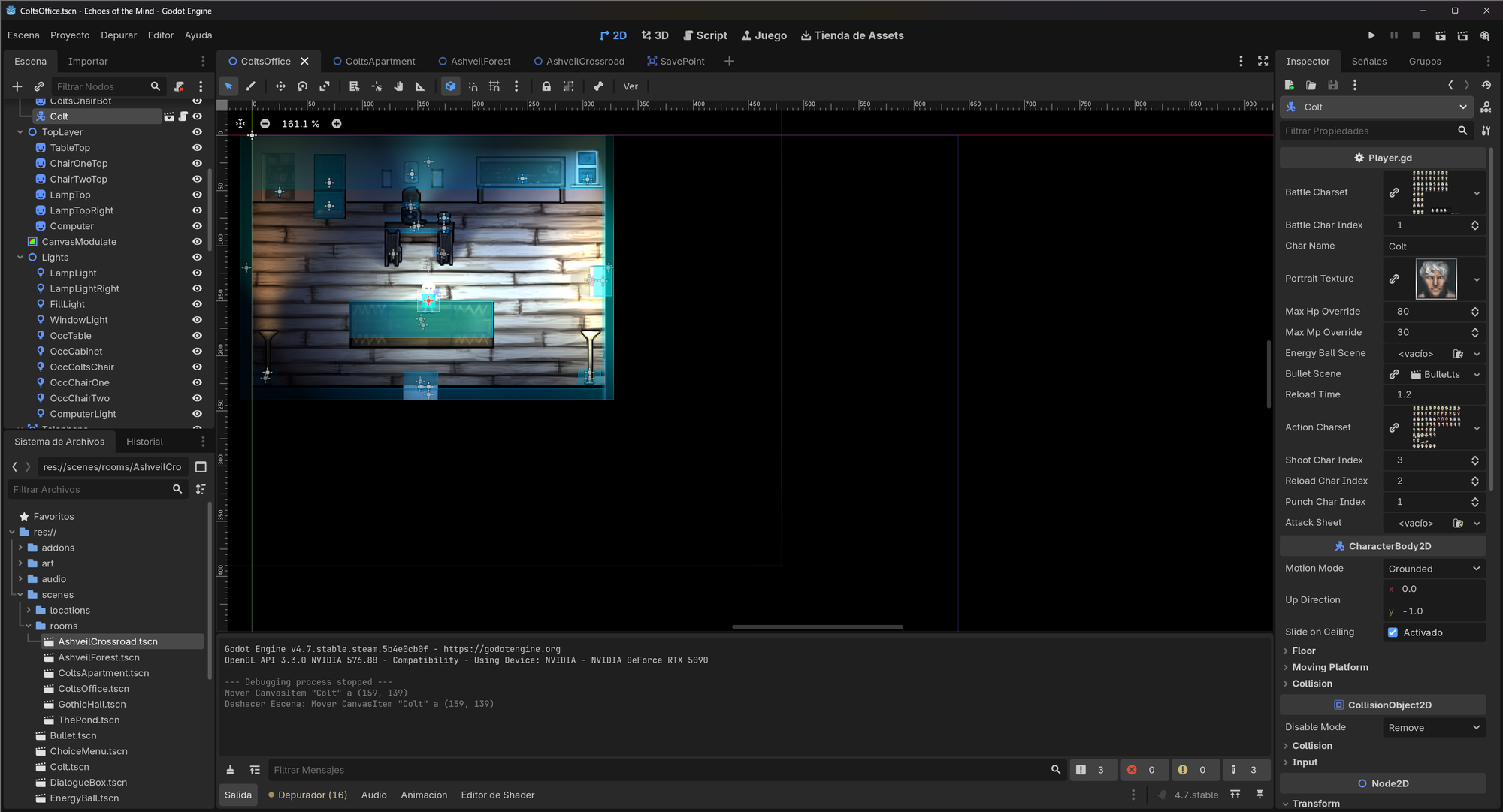
It Turns Out RPG Maker Was Doing a Lot
When people think about rebuilding a game, they usually imagine recreating maps, sprites and combat.
Ironically, those are the easy parts.
The difficult part is everything you never had to think about because the engine already solved it for you.
Things like:
- Save systems
- Title screens
- Dialogue boxes
- Menus
- Inventory
- Scene transitions
- Input management
- Audio
- Settings
- Localization
- UI navigation
RPG Maker gave you all of this.
You rarely stopped to appreciate it because... it just worked.
The moment you leave that ecosystem, you realize how much infrastructure was quietly carrying your game.
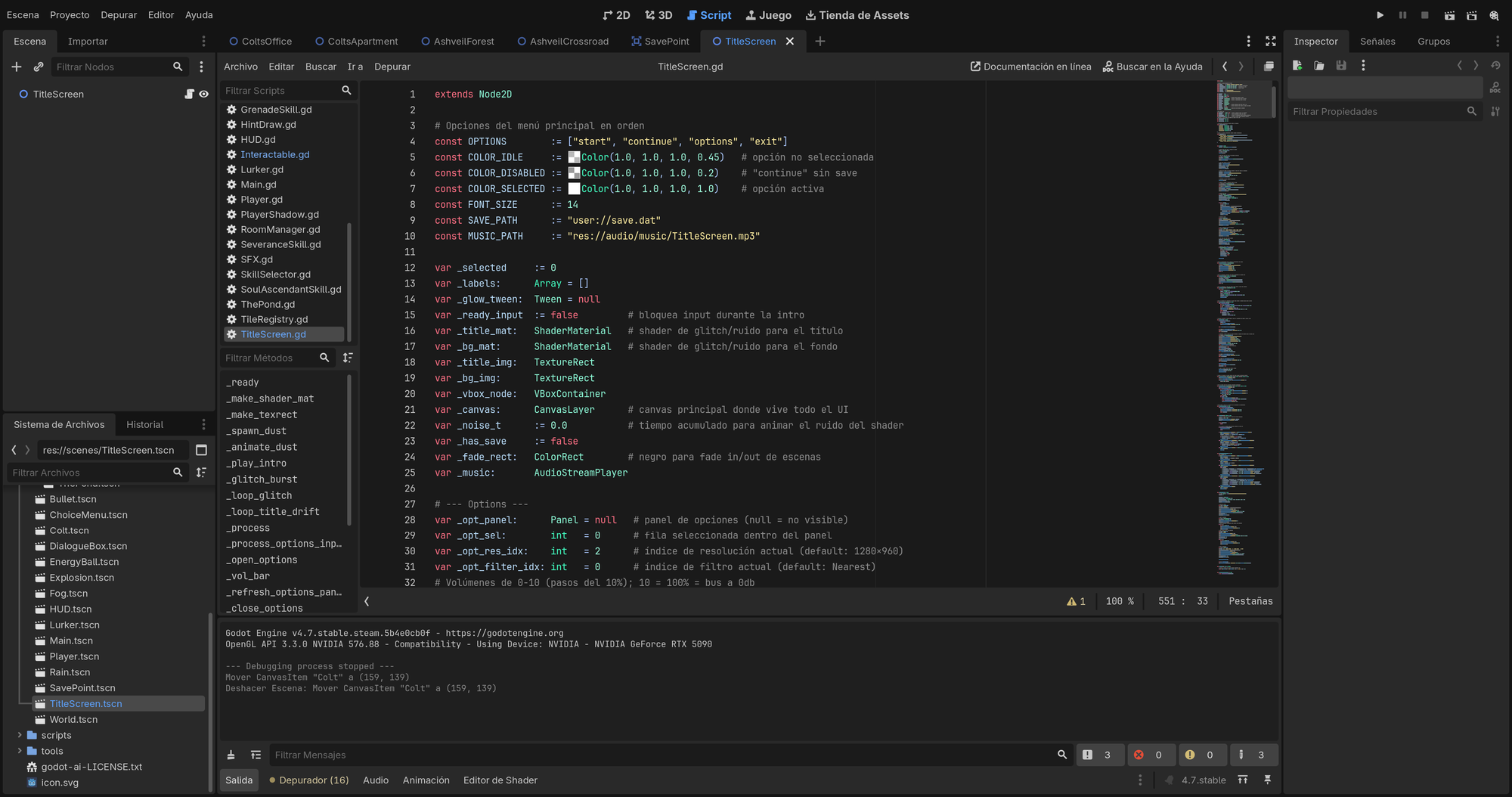
Twenty Years of Engineering Finally Paid Off
Fortunately, twenty years passed.
In that time I became a software engineer.
I've worked building enterprise software, distributed systems, APIs, cloud architectures and applications far more complex than anything I imagined when I was fifteen.
Surprisingly...
That experience translates remarkably well to game development.
Today I naturally think about things like:
- Separation of concerns
- State machines
- Event-driven architecture
- Dependency injection
- Data-driven design
- Reusable components
Back then I solved problems.
Today I design systems.
That's a huge difference.
Surprisingly, my job as a Solutions Engineer has helped too.
My role is to build and present live technical demos to customers, translating complex software into experiences people can immediately understand.
Teaching the development of Echoes of the Mind—even through TikToks—draws on exactly the same skill.
@santi_eldude Desarrollo indie en solitario. Pixel art, horror psicológico, historia original. Sin motor de assets, sin template — todo hecho a mano. #gamedev#indiegame#godot#pixelart#horrorgame #rpg #gamedesign#indiedev#videojuego#godotengine #pixelart #gamedevelopment#terror#indiegame ♬ sonido original - Santiago
The Language Doesn't Matter
One question I get surprisingly often is:
"Why Godot?"
Usually followed by:
"Are you using GDScript?"
Or C#.
Or C++.
The answer is...
It doesn't really matter.
Godot supports multiple languages.
You can build great games with all of them.
Because programming languages are tools.
The interesting part isn't the syntax.
It's the idea.
A poorly designed system written in C++ is still a poorly designed system.
A well-designed architecture written in GDScript is still good engineering.
People often overestimate the importance of the language.
They underestimate the importance of thinking.
Claude Doesn't Build Games Either
Yes.
I'm using AI.
Mostly Claude.
And it's fantastic.
It accelerates development enormously.
It helps me prototype systems.
Generate boilerplate.
Explore ideas.
Sometimes it even points out better architectures than the ones I had in mind.
But there are moments where everything simply falls apart.
An interaction doesn't feel right.
A state machine gets stuck.
The dialogue timing feels awkward.
The inventory breaks after three edge cases.
The save system corrupts itself.
Those aren't prompt problems.
They're design problems.
AI can help you write code.
It can't tell you what your game should feel like.
That still comes from you.
Hands down: it's also, by far, the most toxic relationship I've ever had.
The Story Grew Up Too
Perhaps the biggest rewrite isn't technical.
It's narrative.
Back in 2003, Echoes of the Mind was basically a ghost story.
The protagonist was a detective.
He didn't believe in the supernatural.
Then strange things started happening.
Simple.
Fun.
A little cliché.
Twenty-two years later...
The ghosts are still there.
But they're no longer the point.
Today the game is about grief.
About loss.
About death.
About guilt.
About not being able to let go.
About the conversations we never had.
The people we couldn't save.
Even infidelity found its way into the story—not because I wanted drama, but because relationships are complicated, and complicated people make for better stories.
The supernatural became a language.
The real story became the people.
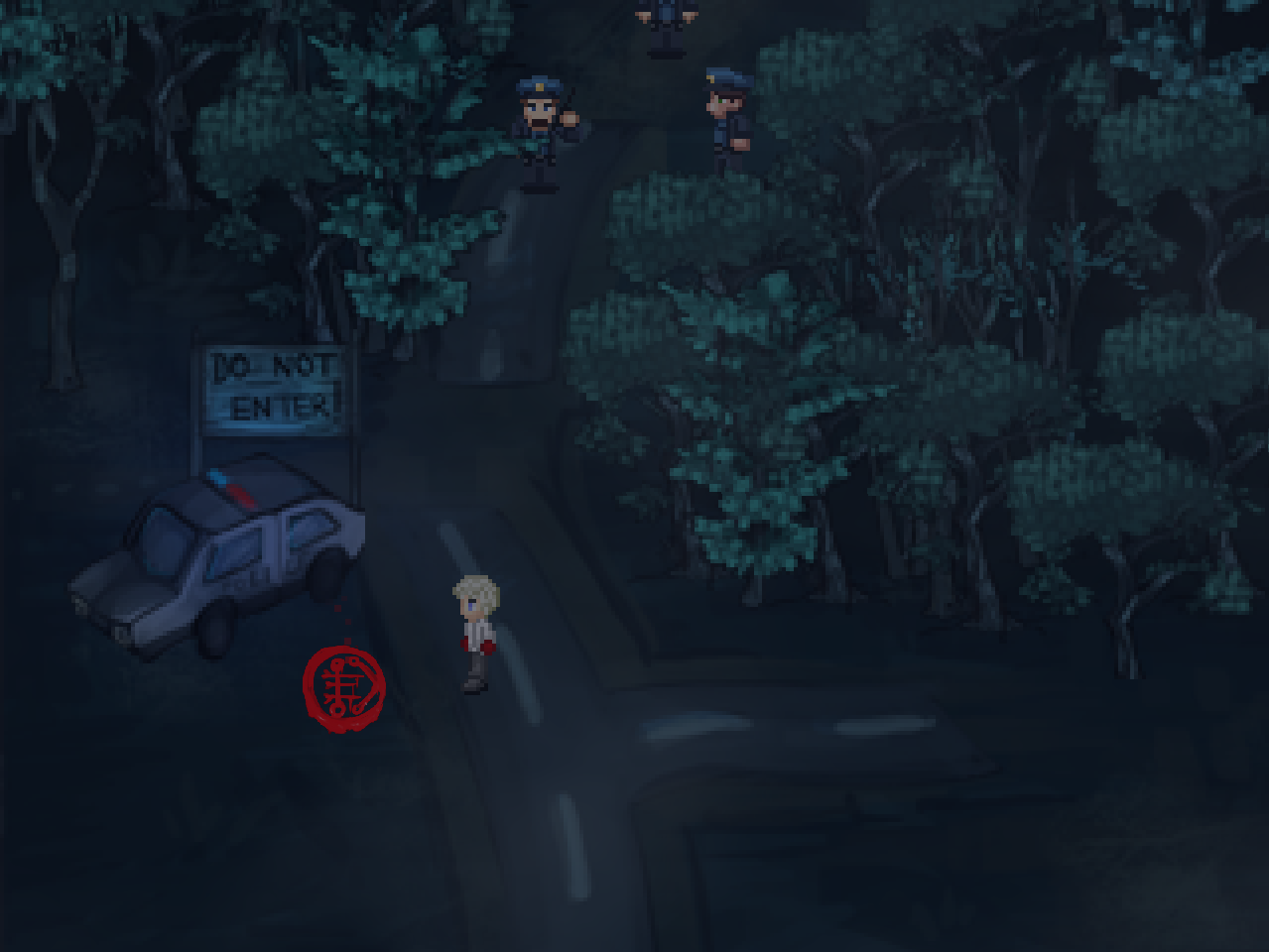
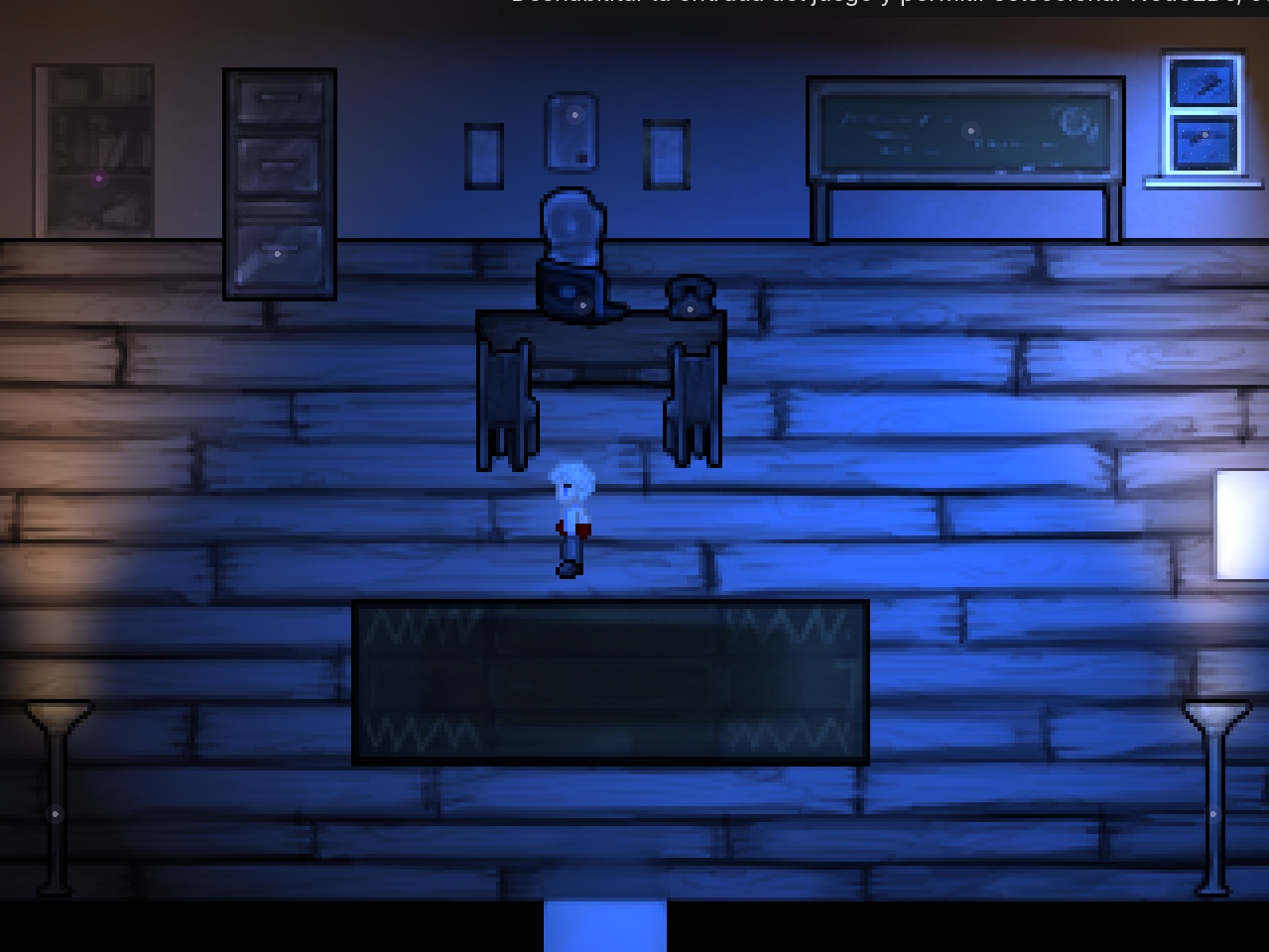
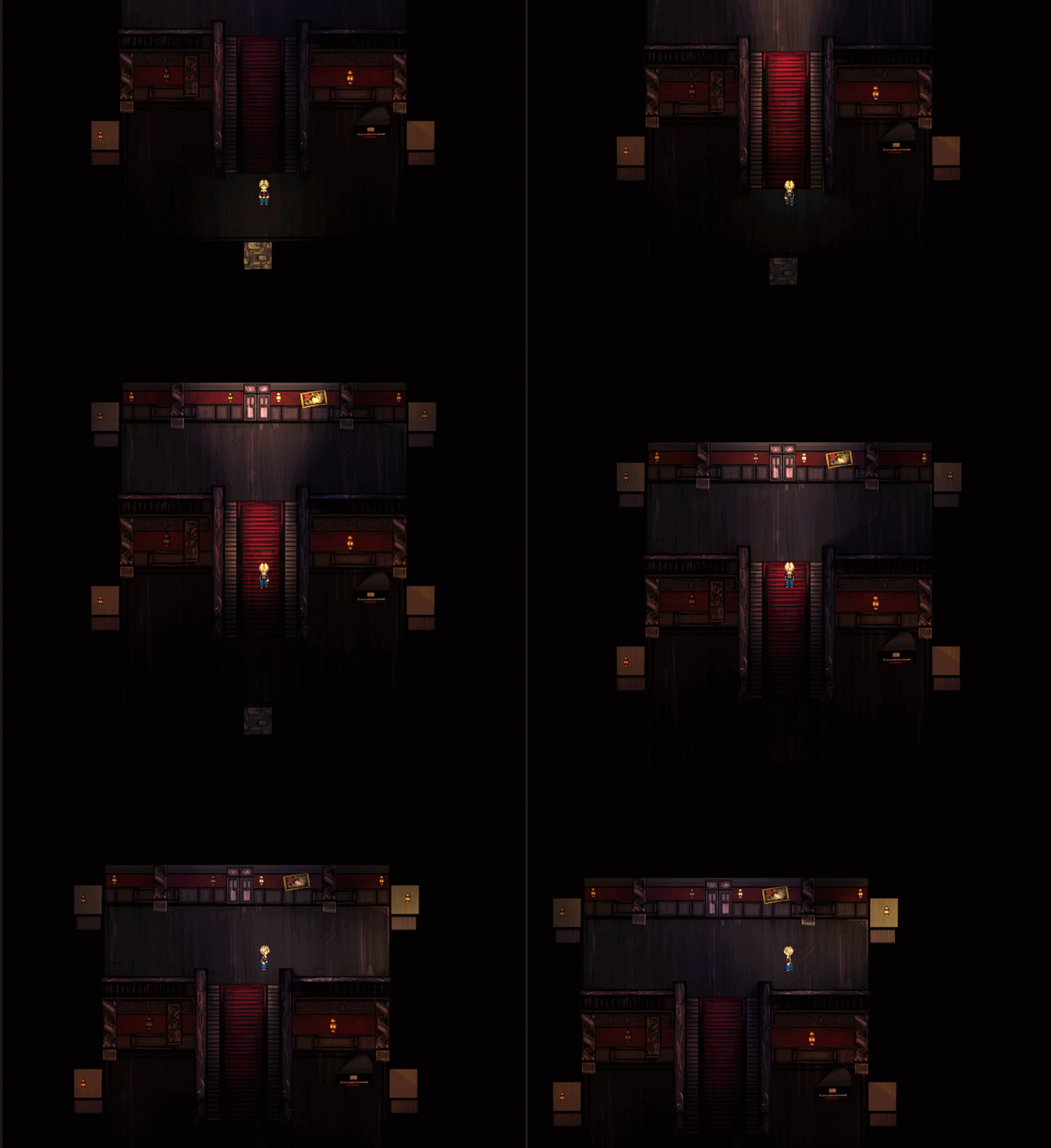
It Finally Feels Like... a Game
There are still bugs.
There are unfinished systems.
Half-implemented mechanics.
Temporary art.
Placeholder sounds.
Entire sections waiting to be redesigned.
But something changed.
For the first time in a very long time...
It doesn't feel like a collection of ideas anymore.
It feels like a game.
Maybe that's the most rewarding part.
Not because it's finished.
Because it's finally becoming what I imagined all those years ago.
Final Thought
People often ask me how long this game has been in development.
Technically?
Over twenty years.
Realistically?
I'm not sure that's the right question.
Because every version of Echoes of the Mind belonged to a different version of me.
The teenager who wanted to tell a ghost story.
The university student learning programming.
The engineer obsessed with architecture.
And now...
Someone trying to tell a much more honest story.
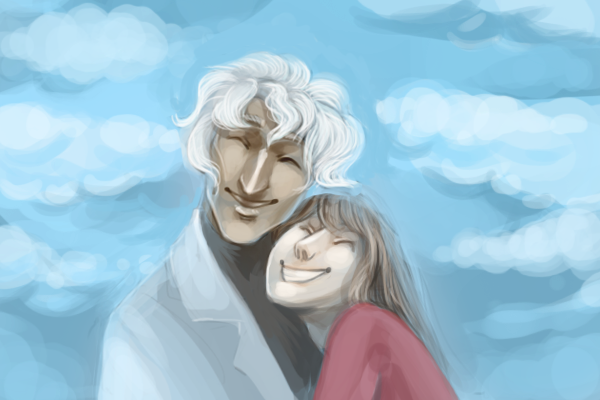
Maybe that's why I never abandoned the project.
I wasn't rebuilding the same game.
I was rebuilding it with everything I'd learned since the last time I touched it.
And today, for the first time...
It finally feels like home.