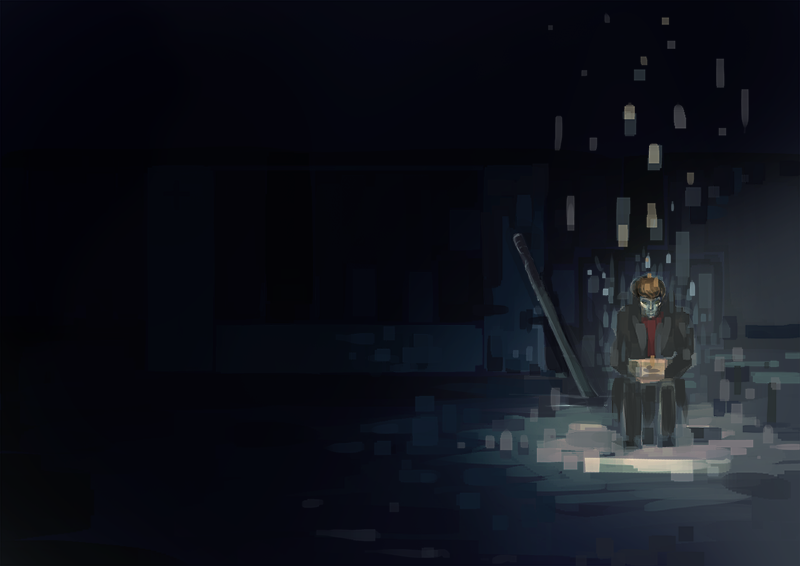
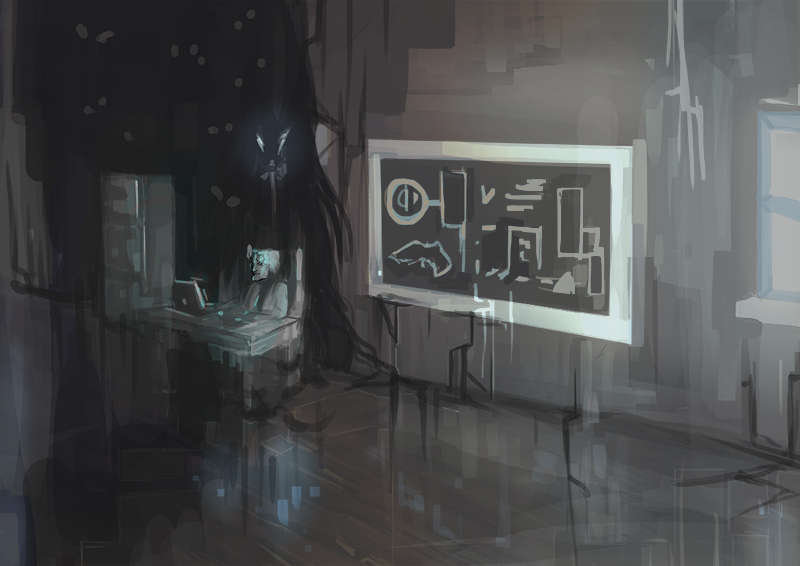
There are projects you start.
And then there are projects that quietly become part of who you are.
Echoes of the Mind belongs to the second category.
I started working on it sometime around the summer of 2003.
I was fifteen years old.
I didn't know what software architecture was. I didn't know what game design meant. I barely knew how to program.
I just knew I wanted to tell a story.
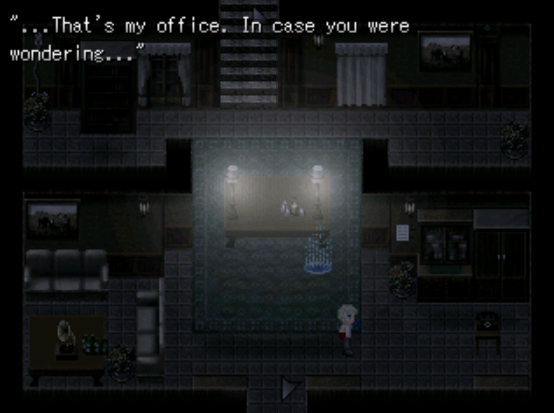
So I opened RPG Maker 2000.
The Beginning
Back then, RPG Maker felt magical.
Without writing thousands of lines of code; in fact, without writing code at all, you could create maps, characters, dialogue, battles, music, and entire worlds.
It lowered the barrier to game development in a way that was revolutionary for its time.
Eventually, I moved to RPG Maker 2003, where I learned about variables, switches, event systems, and all the clever tricks people invented to make the engine do things it was never designed to do.
Looking back, it was probably my first exposure to software engineering.
I just didn't know it yet.
Growing Up
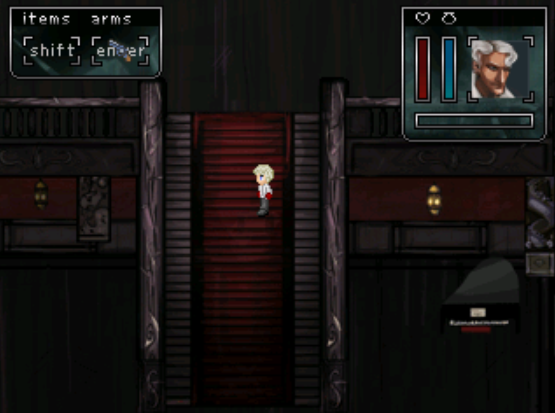
As the years passed, the project evolved.
So did I.
I rewrote systems.
Changed the story.
Deleted maps.
Created new ones.
I even hired artists to replace my embarrassingly bad placeholder graphics.
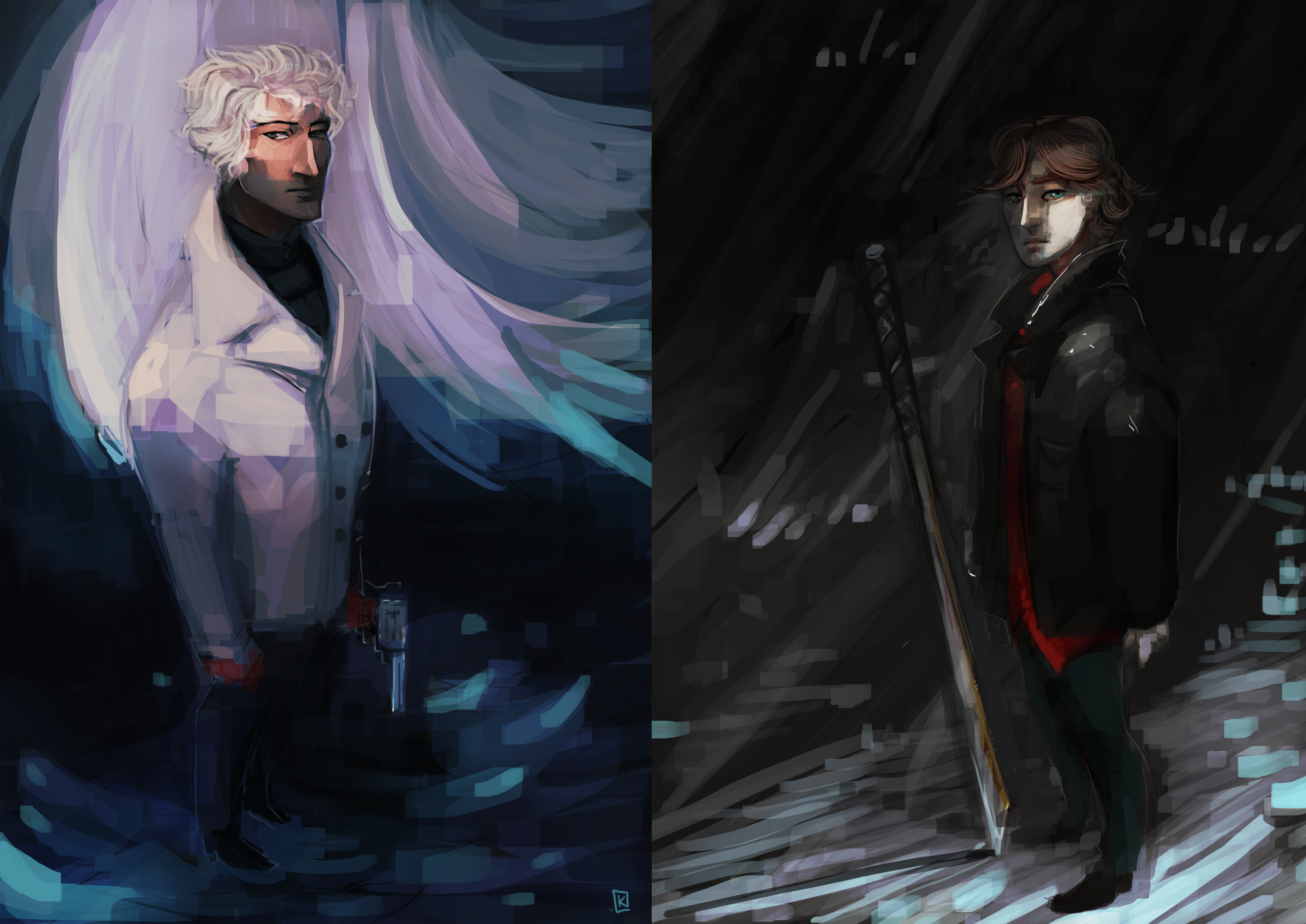
The project slowly became something much bigger than what a fifteen-year-old could have imagined.
But eventually, I realized something else.
The game I had in my head simply didn't fit inside RPG Maker anymore.
Don't get me wrong—I owe a lot to that engine. It introduced me to game development and taught me lessons I'll carry forever.
But every ambitious mechanic...
Every cinematic sequence...
Every system I wanted to design...
Felt like I was fighting the engine instead of building with it.
RPG Maker is an incredible engine for the games it was designed to make.
Echoes of the Mind wasn't one of them.
I kept finding workarounds for problems that wouldn't even exist in a more flexible engine.
Eventually I stopped asking:
"How can I make RPG Maker do this?"
And started asking:
"What engine would actually let me build the game I've been imagining for the last twenty years?"
Sometimes Starting Over Is Faster
For years, I convinced myself I'd eventually finish it.
Then one day I accepted something uncomfortable.
The best way to move forward...
...was to start over.
Not because the previous work had no value.
Quite the opposite.
Every version of the game taught me something.
Every rewrite made me a better developer.
Every abandoned system eventually became a lesson.
None of that work was wasted.
It was simply preparing me for the version I wanted to build all along.
Godot
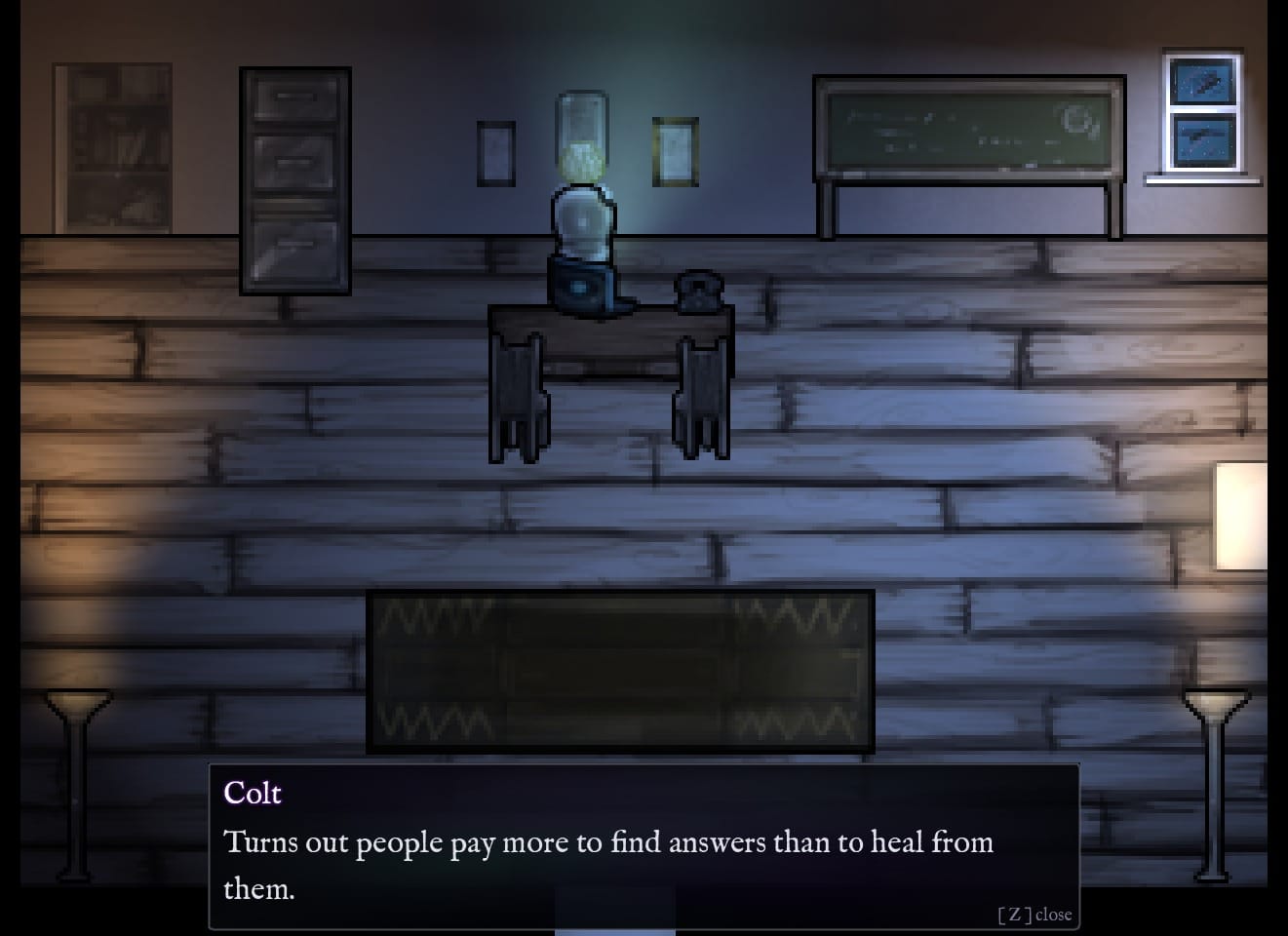
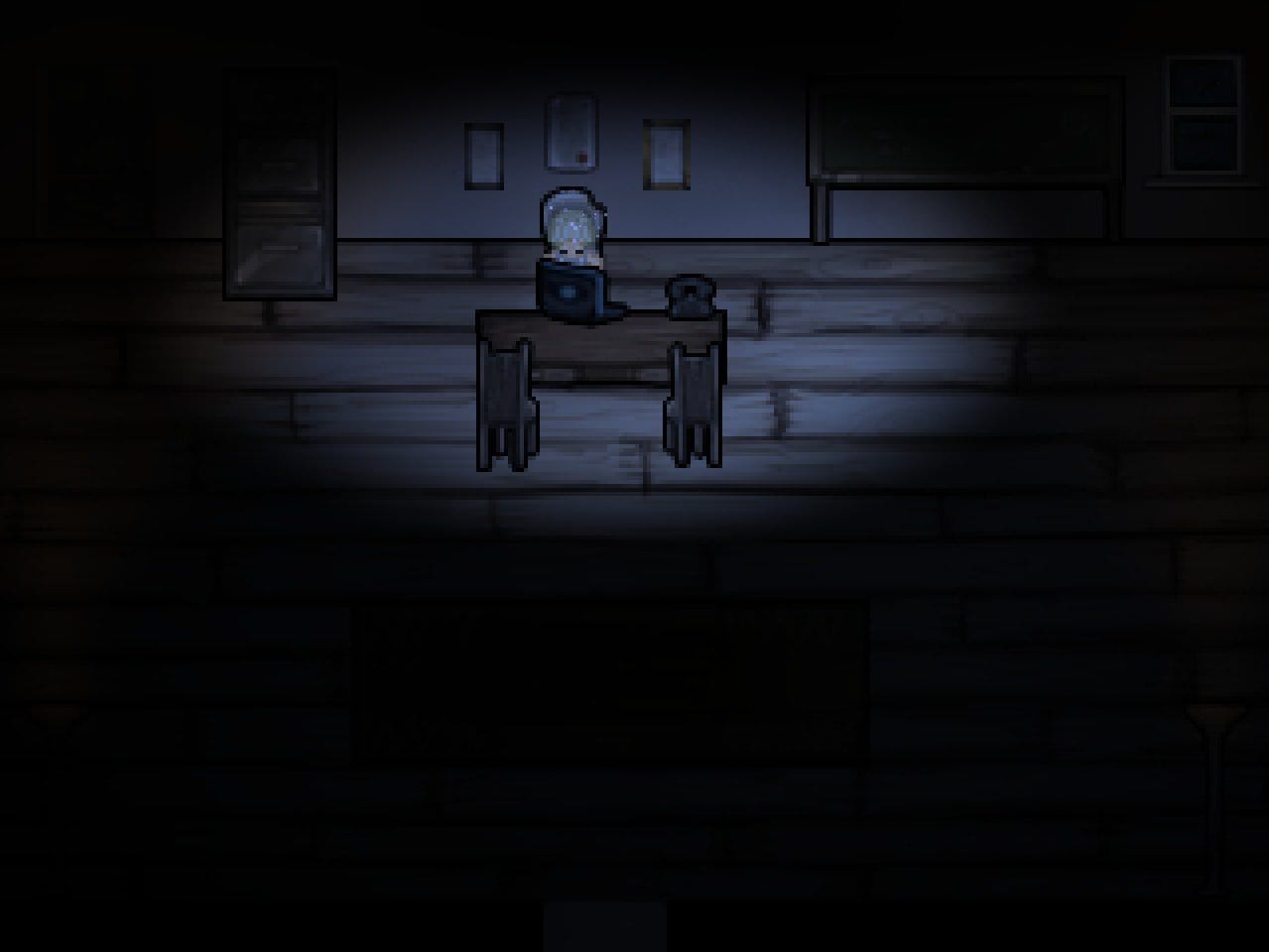
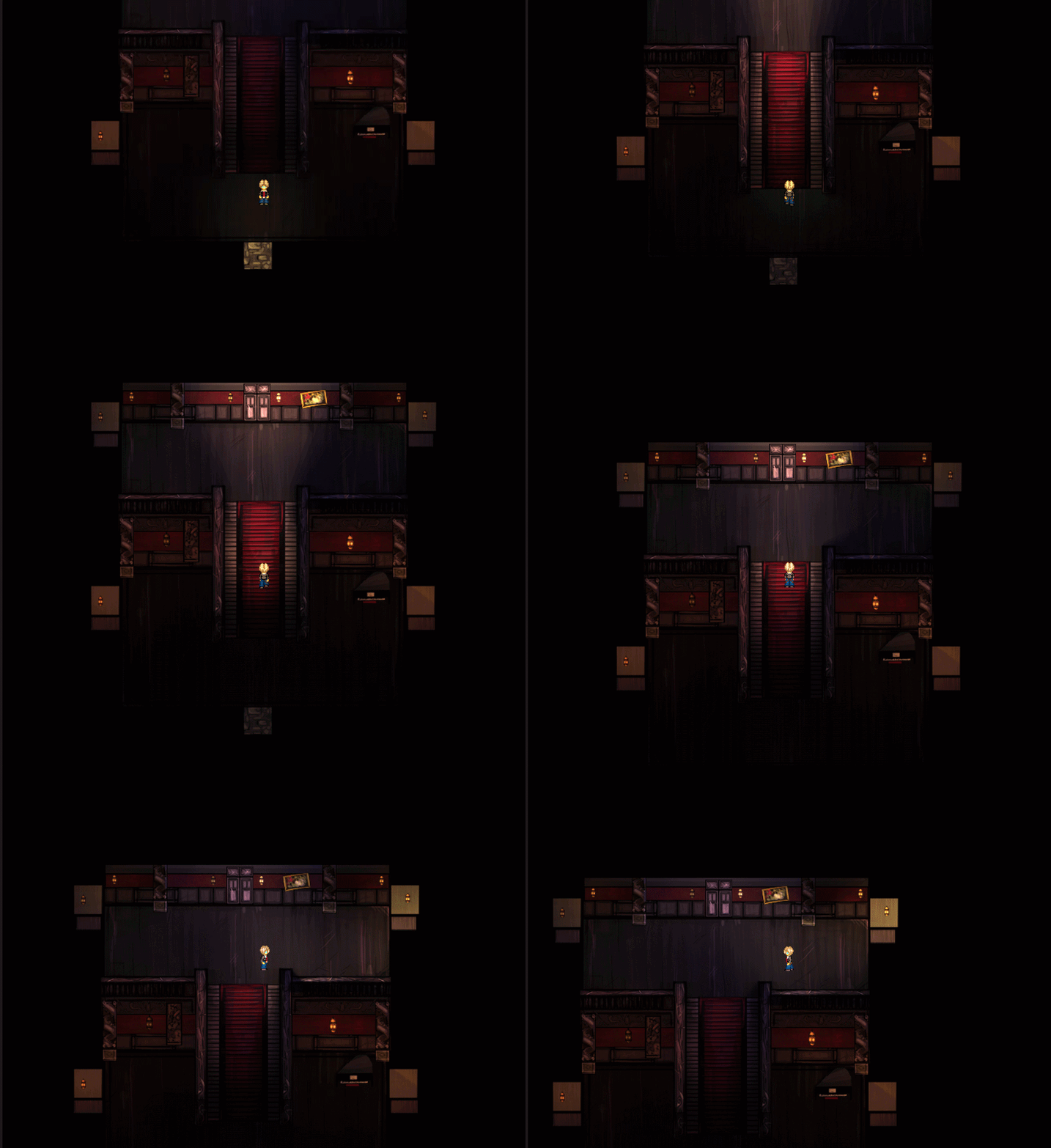
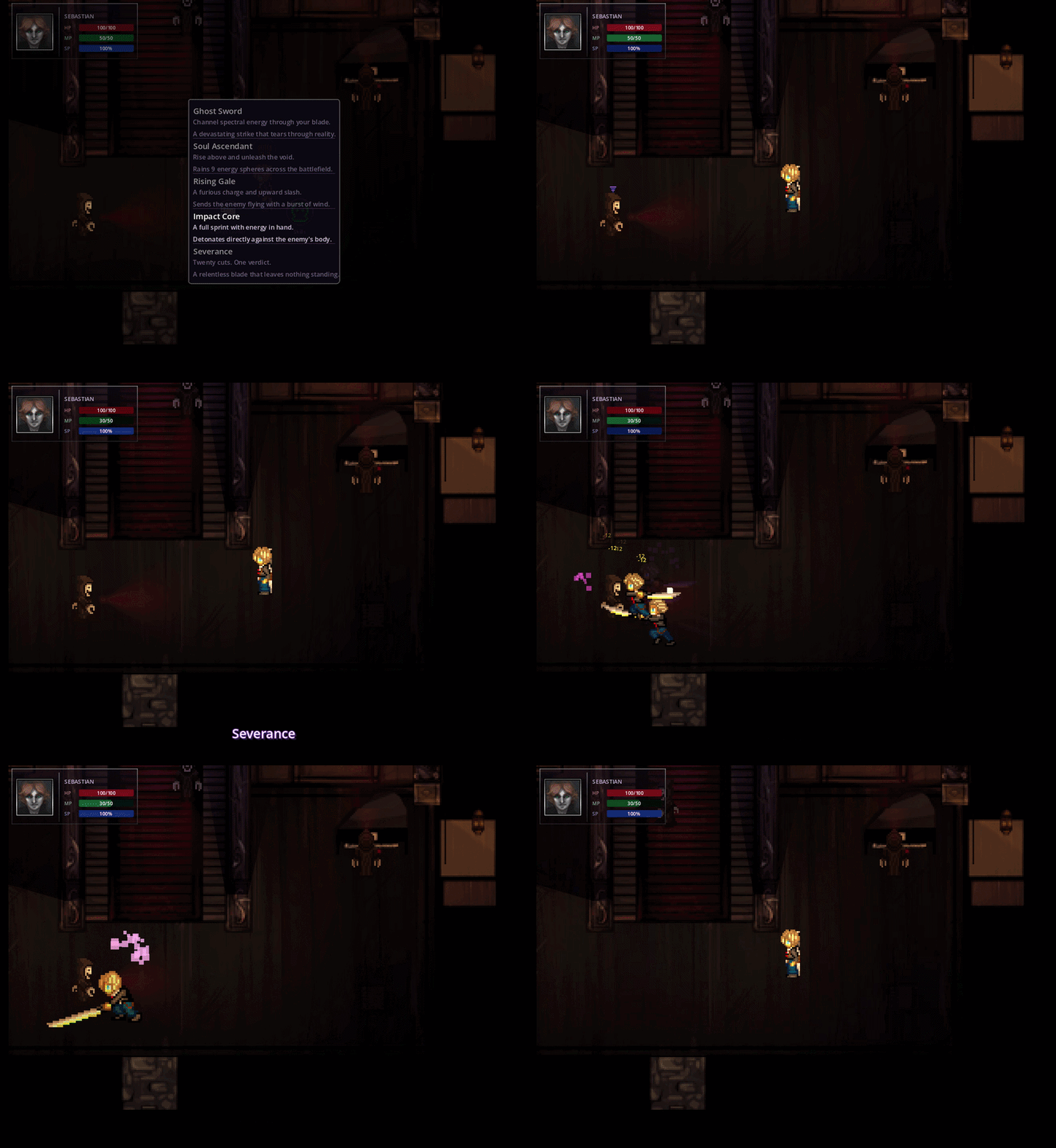
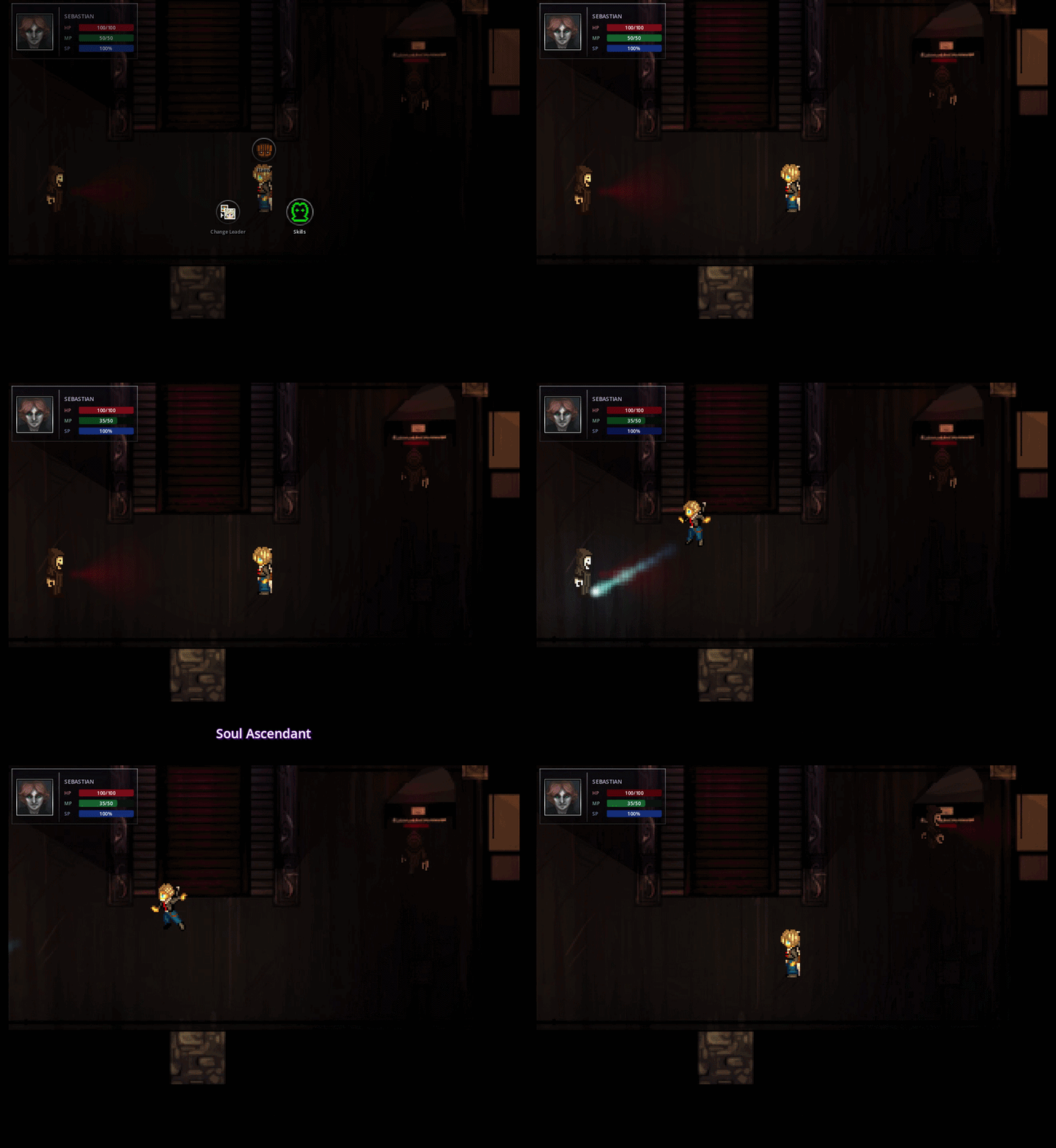
Today, Echoes of the Mind is being rewritten from scratch using Godot.
Different engine.
Different language.
Different architecture.
Different developer.
The funny part is that the story hasn't really changed.
I have.
Today I think in systems.
I think about maintainability.
State machines.
Separation of concerns.
Things that didn't even exist in my vocabulary when I was fifteen.
Ironically, rewriting the game isn't about changing the game.
It's about finally removing the limitations that kept me from building the game I imagined back in 2003.
Twenty-Two Years
Twenty-two years is a ridiculous amount of time for a game to stay alive.
Most indie projects die after a few months.
Some survive a couple of years.
Mine somehow survived high school.
University.
Graduate school.
Career changes.
Different jobs.
Relationships.
A daughter.
Life.
Not because I worked on it every day.
Because I never truly abandoned it.
Why Keep Going?
People sometimes ask why I don't just start a completely new game.
The answer is simple.
Because Echoes of the Mind has been growing alongside me.
Every time I open an old project, I find something written by a younger version of myself.
Sometimes I keep it.
Sometimes I rewrite it.
Sometimes I laugh because I can immediately recognize what I was trying to accomplish—even if I didn't yet have the skills to pull it off.
That's probably my favorite part.
This game has quietly become a timeline of my own evolution.
You can almost see the developer growing up by looking at the project.
Final Thought
Technology changes.
Game engines come and go.
RPG Maker has evolved, too.
Programming languages evolve.
Communities rise and fade.
But stories...
Stories wait.
Sometimes they wait twenty-two years.
And maybe that's okay.
Because some stories aren't meant to be finished quickly.
They're meant to grow alongside the person writing them.
And maybe, just maybe...
Echoes of the Mind was never just a game.
It was the project that quietly taught me how to become an engineer.